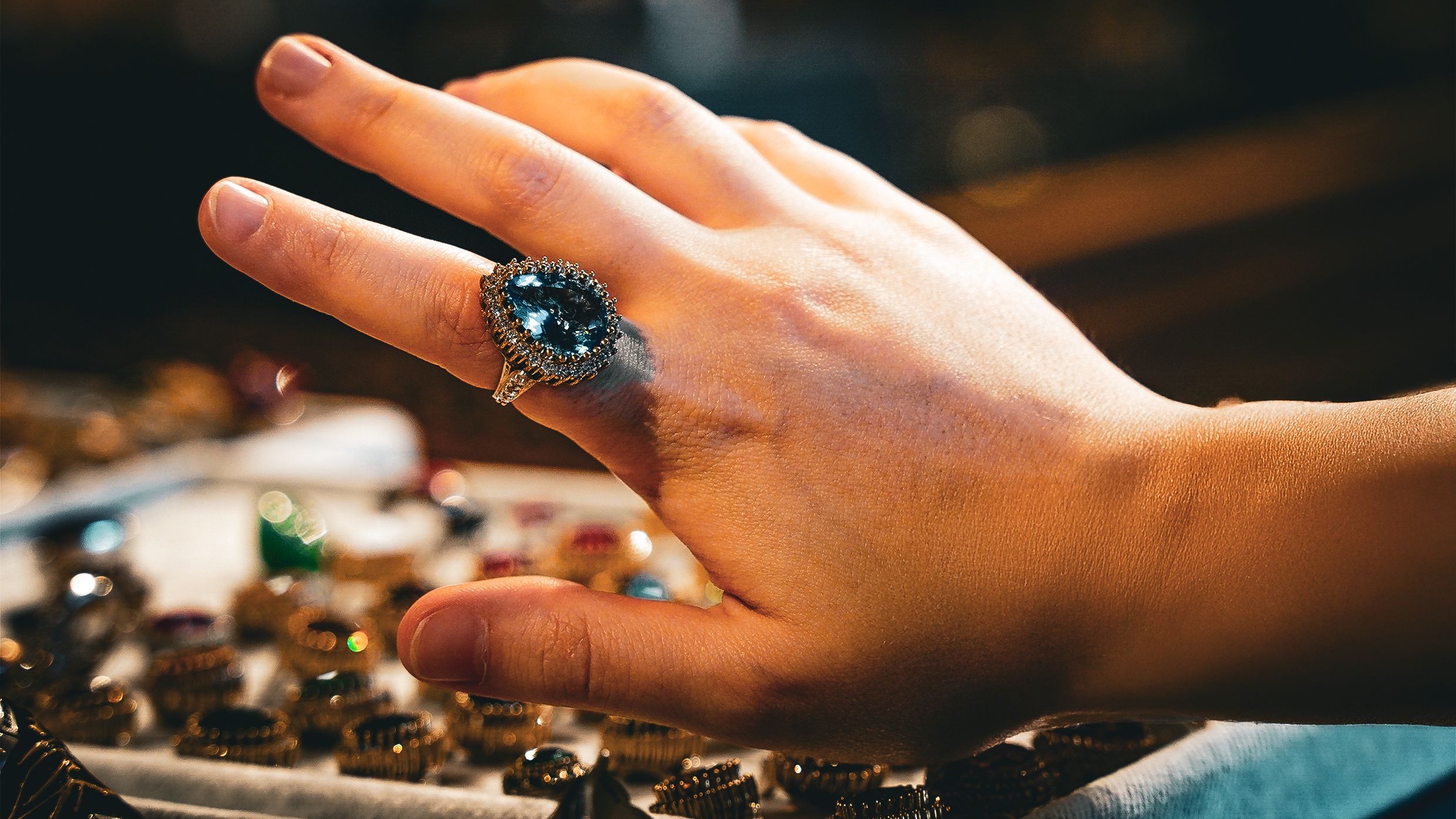
If you’ve ever watched Antiques Roadshow – the BBC version, the PBS version, either one – you know the moment. Someone pulls a piece of jewellery out of a bag, the appraiser picks it up, turns it over, holds it to the light. Then comes the number, and the reaction.
It’s genuinely good television. And it has probably done more to make people curious about the value of old jewellery than anything else in recent memory.
But there are a few things worth understanding about what you’re actually watching.
What the Show Gets Right
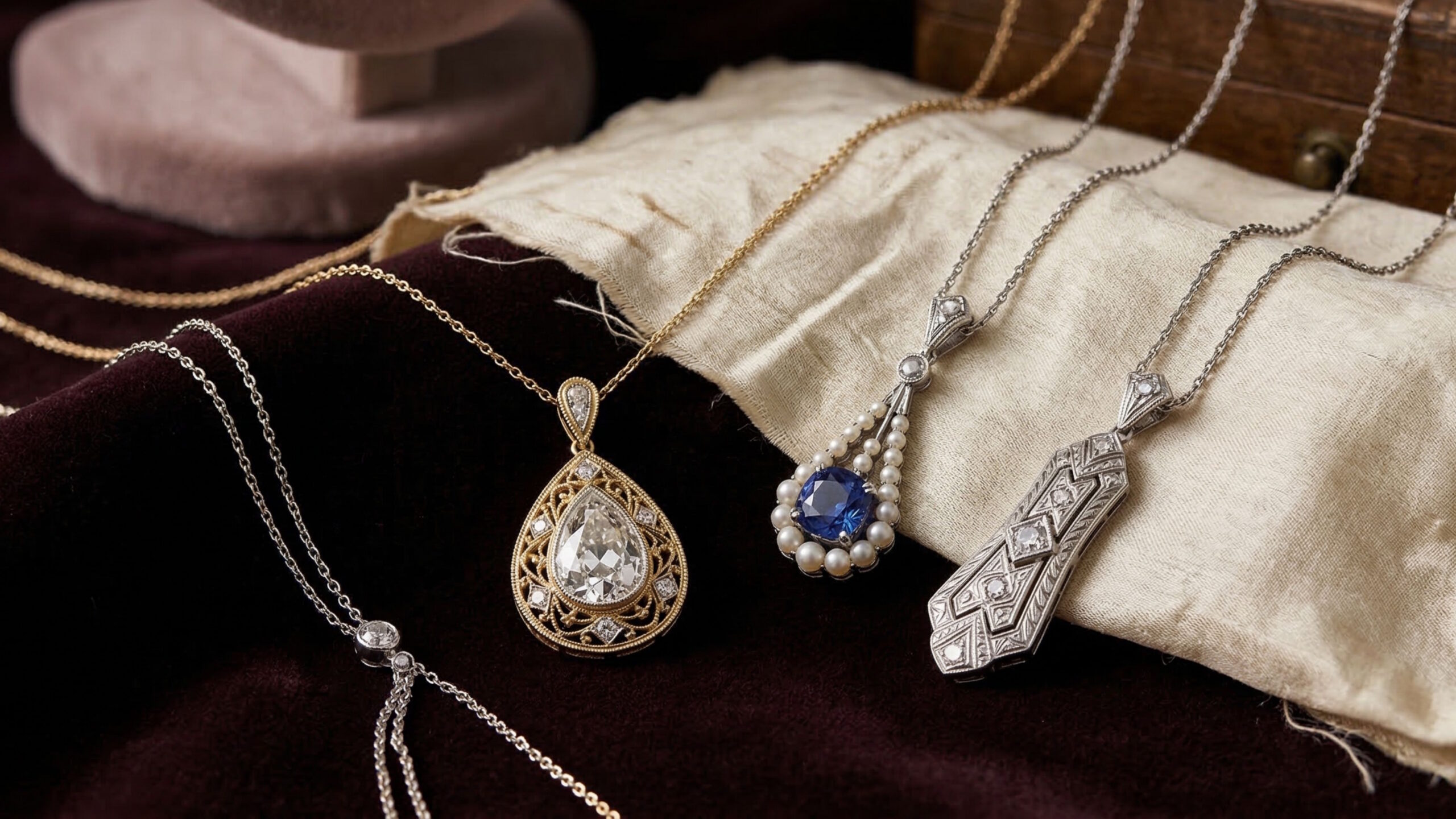
The basic premise is sound. Old jewellery can be worth significantly more than people expect, and the reasons it gets valuable are real ones.
Maker matters. On an episode of the BBC version of the show, a guest brought a bejewelled brooch by Lacloche Frères, described by the appraiser as a “a very distinguished firm running in competition with Cartier.” The piece had previously appraised at $5,400. The Roadshow valuation came in at $13,000. The difference wasn’t the stones, it was who made it. (Source)
Condition matters. An unworn piece in original condition is worth more than a similar piece that’s been cleaned, repaired, or altered. This comes up constantly on the show, and it’s true in real life too.
Age matters, but not always in the way people assume. Georgian and early Victorian pieces carry significant collector premiums. So do Art Deco pieces in original condition. But age alone doesn’t make something valuable. A very old piece in poor condition, by an unknown marker, with no particular rarity, might still land close to metal value.
What the Show Gets Wrong, or at Least, What It Leaves Out
The valuations on Antiques Roadshow are verbal approximations, not formal appraisals. The show itself is clear about this: “The value of an item is dependent upon many things, including the condition of the object itself, trends in the market for that kind of object, and the location where the item will be sold.” (Source) The date of the appraisal matters too, values change over time, and a figure given on television five years ago may be significantly different from what the same piece would be worth today.
The show also focuses almost entirely on collector and action value, the top end of what something might achieve under ideal circumstances with the right buyer in the room. That’s different from what a piece is worth on the open market today, or what a precious metals buyer would offer based on the metal content alone.
Even the experts can be wrong. Appraisers on the show have been known to miss things, misidentifying origins, underestimating rarity, or simply getting the number wrong.
The Difference Between TV and Reality
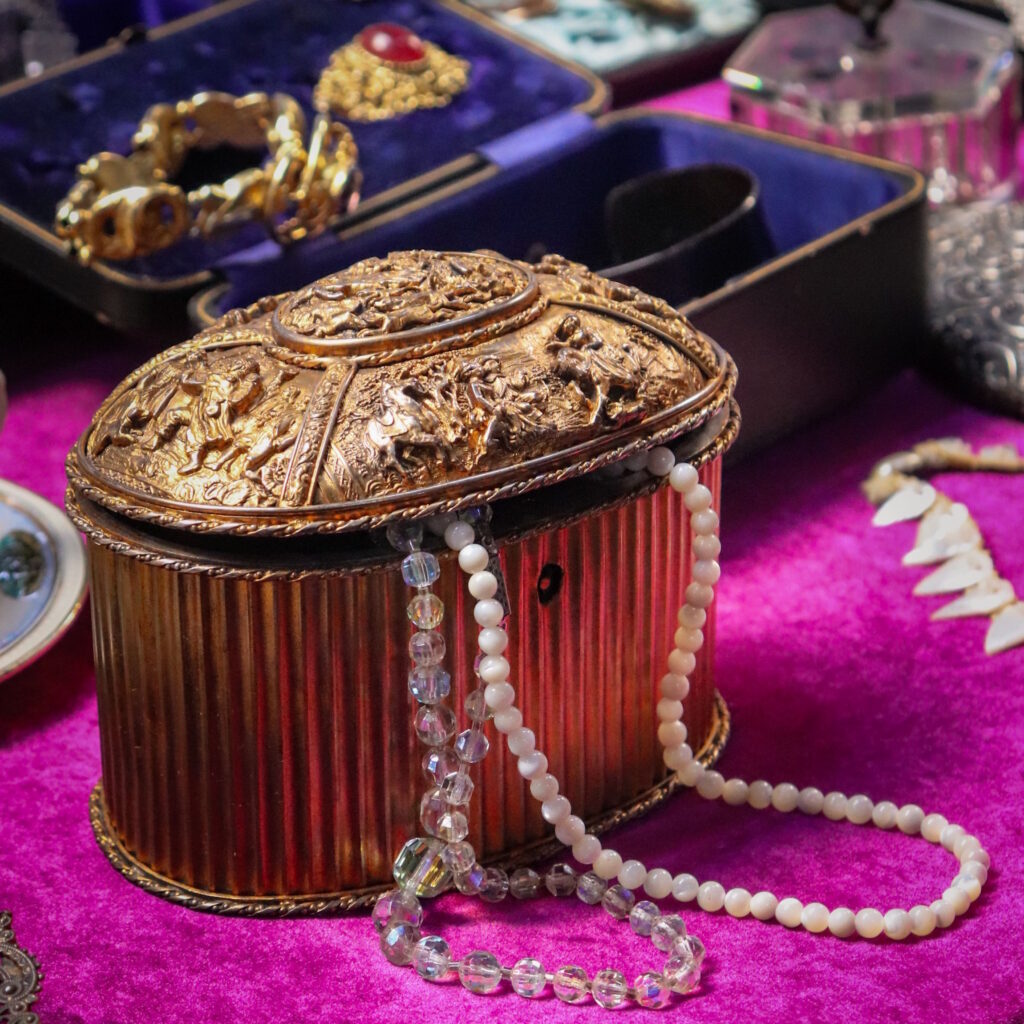
When someone brings jewellery into Canada Gold, we’re not doing a Roadshow-style appraisal. We’re evaluating the precious metal content – the karat, the weight, what that translates to at today’s market price. That gives you a clear, accurate baseline. Some pieces go beyond that baseline because of their maker, their rarity, or their design.
Most people start without knowing which category their piece falls into, and finding out with the help of Canada Gold costs nothing.
Canada Gold offers free evaluations at all of nos implantations across Canada. Bring in what you have, no appointment needed.