Long before the advent of mechanized industry or modern engines, early human societies made a profound discovery: exposing specific mineral ores to intense thermal energy transformed raw stone into solid, malleable metal.
Human civilization has advanced significantly since those initial accidental discoveries. The enduring pursuit of extracting, melting, and reshaping metal ore served as a foundational pillar for societal development. Metallurgy provided the essential tools for agriculture expression, and coinage for commerce. Remarkably, the core principles established by prehistoric innovators remain the fundamental basis for how global markets manage high-value assets today.
Metallurgy
Historical consensus suggests that copper and gold were the first metals utilized by humanity. Unlike most elements, these metals frequently occur in nature in a native, uncombined state. This distinct characteristic allowed early societies to locate and hammer them into functional shapes without advanced technological equipment or chemical knowledge.
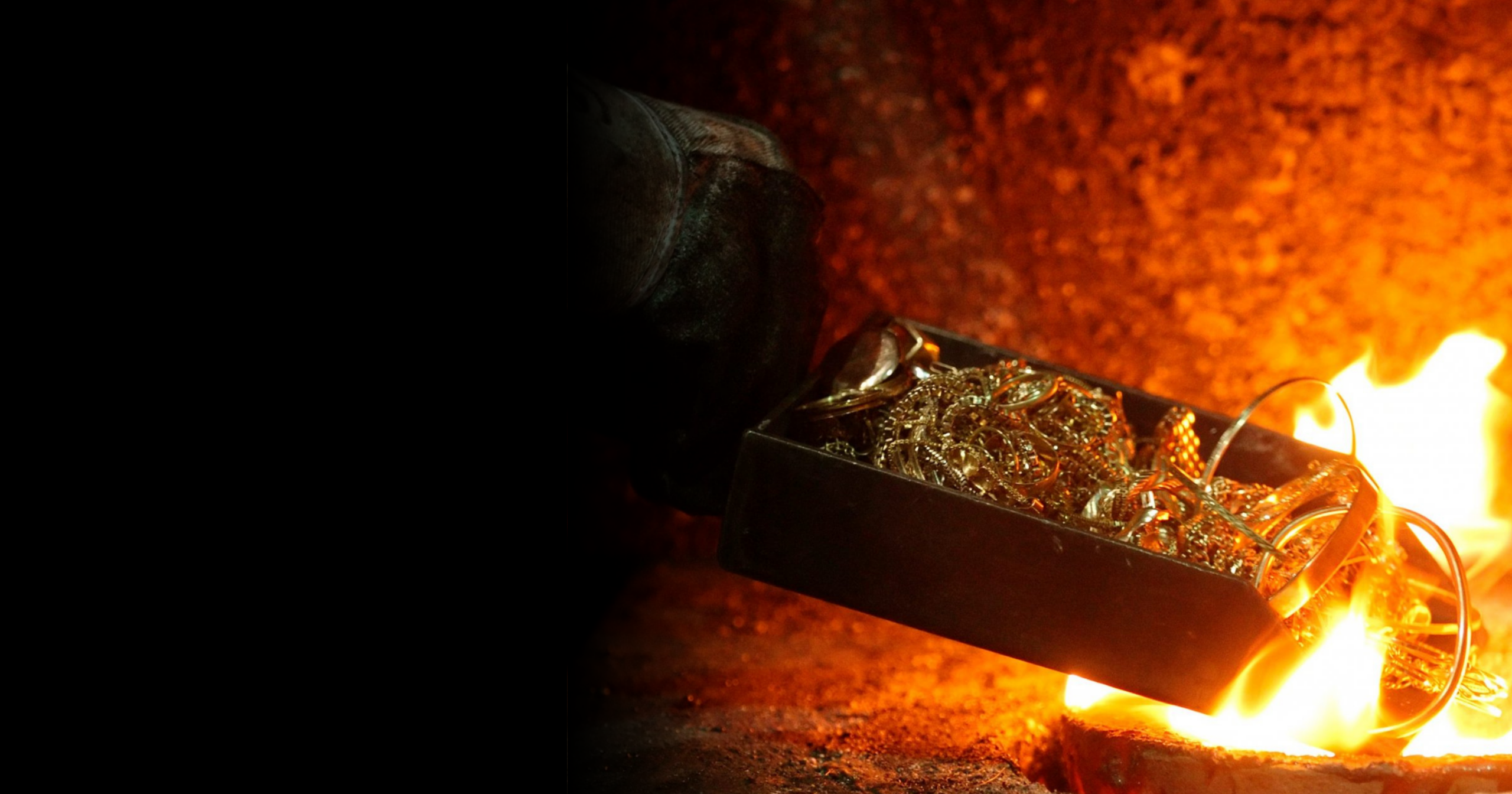
The true technological breakthrough occurred with the discovery of thermal reduction. Observing that certain raw ores would discharge liquid metal when subjected to high-temperature fires, early humans discovered the process of smelting.
As primitive campfires proved insufficient for complex metallurgy, early technicians began alloying. Blending different elements to alter their physical properties. This experimentation yielded bronze, a resilient alloy of copper and tin that surpassed its components in durability. The introduction of bronze revolutionized agricultural efficiency and military capabilities, marking a distinct era in human development.
The subsequent transition to iron presented significant technical challenges, as its extraction requires substantially higher furnace temperatures. Once societies mastered these thermal requirements, the global landscape shifted permanently. This systematic, 6,500 year process of trial and error ultimately established the technical foundations for the mass steel production that drove the Industrial Revolution.
The Evolution of Monetary Value
While base metals such as iron facilitated infrastructural growth, gold and silver emerged as the definitive metrics of wealth and prestige. Gold garnered unique reverence due to its chemical stability; it does not corrode, tarnish, or decay over time. Consequently, ancient kingdoms reserved this enduring asset for sacred artifacts, regal regalia, and ultimately, the establishment of formalized market economies.
As civilizations refined the processes of melting and standardizing precious metals, coinage emerged as the primary mechanism for wealth storage and commerce. Gold and silver coins enabled empires to facilitate long-distance trade while simultaneously projecting political sovereignty and craftsmanship.
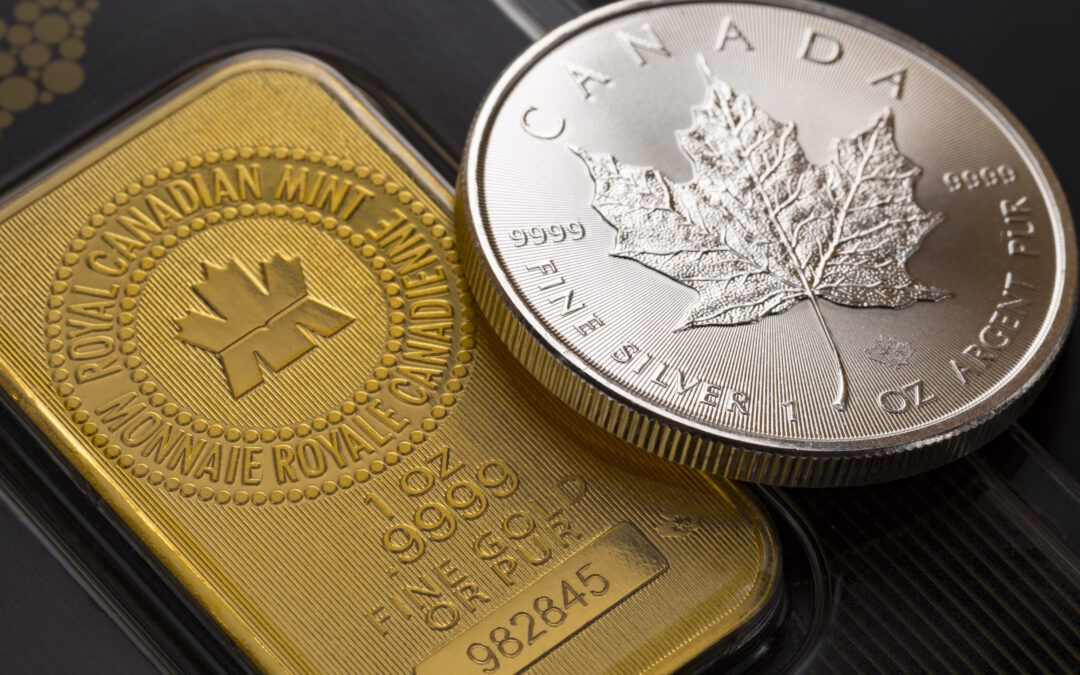
This tradition persists in the contemporary financial landscape. Today, the Royal Canadian Mint produces exceptionally pure gold and silver investment and collector coins. These modern products utilized advanced melting, alloying, and minting technologies that directly evolved from the foundational methods developed thousands of years ago.
The Modern Refinery
In the contemporary era, metal refining has transformed into a discipline of extreme scientific precision. Modern refiners have replaced rudimentary furnaces with sophisticated laboratory assays to verify exact chemical compositions. Today, gold, silver, and platinum are processed to near-perfect purity levels, serving critical functions in investment bullion, fine jewellery, and advanced industrial technologies.
The Legacy of Precious Metals
Stripped of its technological complexity, the history of metallurgy reflects a continuous timeline of human ingenuity and resourcefulness. The mastery of metals directly influenced the layout of cities, the outcomes of conflicts, and the structure of global finance.
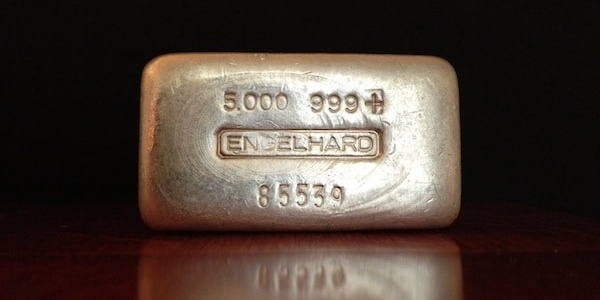
For modern collectors and investors, precious metals represent far more than a digital balance on a screen. They stand as a tangible store of value, defined by scarcity and historical permanence. Whether holding an ancient coin, heirloom jewellery, or a certified bullion bar, investors retain a physical link to a tradition of human craftsmanship that spans the entirety of recorded civilization.