Gold and silver are usually the first things people ask about when they come into our stores. They’re familiar, widely trusted, and easy to understand.
Platinum is different. It’s rarely the starting point for most buyers, and often gets overlooked entirely.
Why Platinum Has Traded Below Gold
Platinum is rarer than gold and more difficult to produce, but for years it has traded at a lower price.
A big part of that comes down to how each metal is used.
Gold is viewed primarily as a store of value. It’s held by central banks and often performs well during periods of uncertainty.
Platinum has a stronger industrial role. It’s used in areas like automotive manufacturing and medical technology, so its price is influenced not just by investors, but by economic activity as well.
Because of that, platinum doesn’t always follow the same pricing patterns as gold.
What’s Changing in the Market
One of the main shifts in the platinum market has been on the supply side.
Most global production comes from South Africa, where mining can be affected by labour challenges and infrastructure limitations. Recycling helps, but it hasn’t been enough to fully close the gap.
Over the past few years, demand has outpaced supply. That kind of imbalance doesn’t always lead to immediate price increases, but it does tend to support prices over time.
Why Some Investors Call It Undervalued
When people say platinum is undervalued, they’re often comparing it to gold.
In the past, platinum has often been priced higher than gold per ounce. In recent years, that relationship reversed, with gold moving significantly higher.
For some investors, that gap stands out. It doesn’t necessarily mean platinum has to move back above gold, but it does raise the question of whether the current price gap fully reflects the differences in supply and demand.
How Platinum Fits Alongside Gold and Silver
Most buyers aren’t looking to replace gold or silver with platinum. It’s usually about adding something different.
Gold is often seen as the foundation of a precious metals portfolio. Silver tends to move more with industrial demand and can be more price sensitive.
Platinum sits somewhere in between. It has both industrial use and investment interest, which means it can behave differently from the other two.
For that reason, some investors choose to hold a smaller amount of platinum as part of a broader mix.
Buying Physical Platinum in Canada
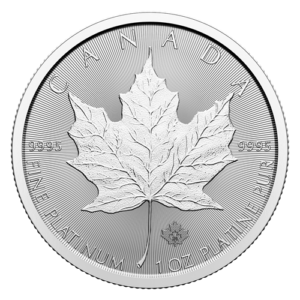
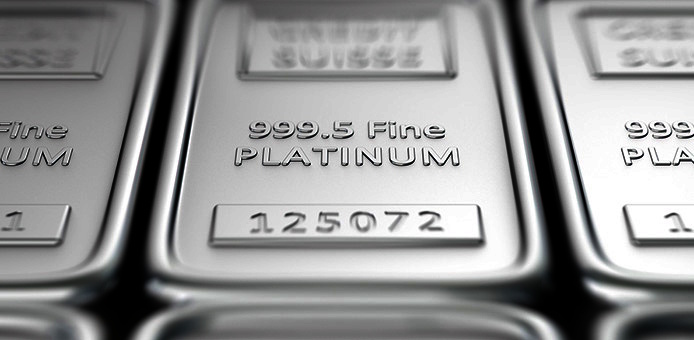
Platinum is available in both coins and bars, similar to gold and silver.
One of the more recognized options is the Platinum Maple Leaf from the Royal Canadian Mint. These coins are .9995 pure and are widely accepted, which can make them easier to buy and sell.
Like other precious metals, pricing is based on the global market, along with a premium depending on the product.
So, Where Does Platinum Fit for You?
Platinum isn’t always the first metal people think about, but it tends to come up more once you understand how differently it behaves compared to gold and silver.
Between its tighter supply, industrial demand, and the way it’s currently priced relative to gold, it’s easy to see why more people are starting to ask about it.
If you’re curious about platinum, the most useful place to start is with current pricing and what’s actually available in the market.
You can stop by any of our locations or take a look at our current listings online to get a sense of what’s out there.